FOMO, or fear of missing out, is a real thing. How do I know? Well, I’m human so I’ve experienced it. I’m also the parent of a tween so I’ve seen the acronym grace many a text. Plus, I checked the dictionary. Miriam Webster defined it, so FOMO must be a real thing.
How can you help your child cope with the worry that something amazingly interesting and fantastically exciting is happening somewhere else without them? I’m glad you asked. Here are three simple ways to help your child cope with—and even prevent—FOMO: 1. Help your child understand that social media is not real life. FOMO has been around long before the digital world shortened it to a text-friendly acronym. That being said, kids and teens today are constantly bombarded with photos and social media posts of peers hanging out and having a great time. Technology allows us to create a carefully edited, picture-perfect existence where lighting is strategic, food is curated, and facial expressions, poses, and companions are edited and arranged until they’re just right. Making sure your child appreciates just how artificial much of what they see on social media is can help reduce envy and turn the volume down on FOMO. 2. Explain that missing out is sometimes inevitable. IRL (in real life) where your child lives, it’s impossible to be everywhere all the time. So, missing out is a reality that your child will have to learn to cope with. Having discussions with your child about the fact that they can’t be part of everything teaches the life lesson of acceptance. This simple shift in mindset makes your child virtually FOMO-Proof. Think of it this way, if your child can accept and embrace the fact that he or she will always be missing out on something by virtue of being human, all of the sudden there’s nothing to be afraid of. Might your child be disappointed if they missed something they wanted to do? Sure, but the act of missing out from time to time will no longer be feared. 3. Watch your own reactions. Like I said, fear of missing out is nothing new and there is no guarantee that you grow out of it when you become a parent. If you’re prone to feeling pangs of worry as you browse social media and see what your friends are doing or experience the urge to check in with friends to make sure you’re in-the-know, it may be helpful to take stock of your own experiences. Practice focusing on what you are doing or what you do have rather than on what you may be missing out on. Even if it’s not necessarily genuine or authentic at the start, that’s fine. Basically, fake it until you feel it, knowing that you’ll be setting a great example for your child and modeling that getting caught up in FOMO is a self-fulfilling prophecy that ultimately leads you to miss out on your own life.
JOIN Dr. Stephanie on FB LIVE
TUESDAYS @ 7:00pm (ET) CLICK the link. LIKE the page. Get parenting tips that work in the real world! 
0 Comments
The time of year for standardized state testing has arrived and if you have school-age children, there’s no way to avoid this topic. Everyone has strong opinions when it comes to the issue of “opting out,” so how do you decide what’s best for your child?
To help you make the best decision for your child, let me debunk some common parental concerns when it comes to opting out: Will opting out spoil my child or teach them to avoid responsibility? No. State tests are not real life situations and many parents and educators feel they are poorly constructed and developmentally inappropriate. You can teach your child to be responsible on a daily basis by having them do chores, manage more of their morning and evening routine, and face the natural consequences of practical slip-ups (i.e., forgotten permission slips, lunch bags, homework assignments). Will opting out leave my child unprepared for future tests? No. Our public education system includes plenty of opportunities for students to practice taking tests on a weekly basis in the classroom. Your child’s preparedness for future SAT or ACT exams has nothing to do with how often he or she sat for state tests starting in grade school. In fact, hearing year after year that scores don’t matter and that there’s no way to prepare may set a negative precedent and make it even harder for kids who take state tests to gear up when preparation does count and scores do matter. Will there be negative consequences at school if my child opts out? No. State laws vary, but national laws protect a parent’s right to opt their child out of standardized tests. Furthermore, even states that threaten to change district funding if opt-out rates exceed a certain percentage have never acted on those warnings. Might you ruffle a few feathers or get an ear-full from an administrator if you opt your child out? Sure. Will opting your child out endanger their standing as a student or their ability to move on to the next grade? Absolutely not. After you’ve made your decision, here are a few things to keep in mind:
JOIN Dr. Stephanie on FB LIVE
TUES 3/21 @ 7:00pm (ET) CLICK the link. LIKE the page. Get parenting tips that work in the real world! 
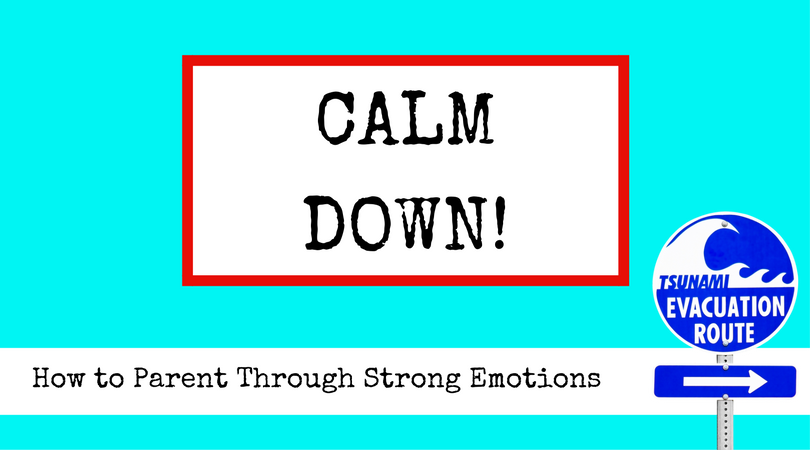
Scenario one: It’s about 45-minutes after I had planned to have dinner on the table. Homework is supposedly being done, but I’m not really on top of that because there are three other things I’m trying to juggle while coordinating the re-heating of things I’m hoping my kids will actually ingest. Suddenly, I hear laughter from the other room—but not the kind that makes me feel warm and fuzzy. The kind that alerts me to the fact that within seconds, things will devolve, tears will be flowing, and I will be refereeing while trying to make sure my attempt at dinner doesn’t burn the house down. Scenario two: I’m exhausted. I’m actually in bed (win!), and I think everyone else is too. I’m wrong, and I hear footsteps—emotionally charged footsteps approaching my bedroom door. A child appears. A crying, distressed child who is over-tired and spilling all sorts of worries about things I can hardly make sense of. My instinct in both cases is to do whatever I can to get my child to calm down. Whether I want to scream it loud enough to stop my kids in their tracks or insist it repeatedly while wiping away tears, I just want everything to calm down. If you’ve ever found yourself wandering through similar parenting territory, whether it’s your child’s excitement inching toward hysteria, frustration building toward a melt-down, or despair quickly devolving into desperation, here are the two things you need to know to move things in a calmer direction. Don’t Say “Calm Down” (unless you're saying it to yourself)
Surrender to the Chaos
JOIN Dr. Stephanie TUES @ 5:00pm (ET) CLICK the link. LIKE the page. Get parenting tips that work in the real world! 
|
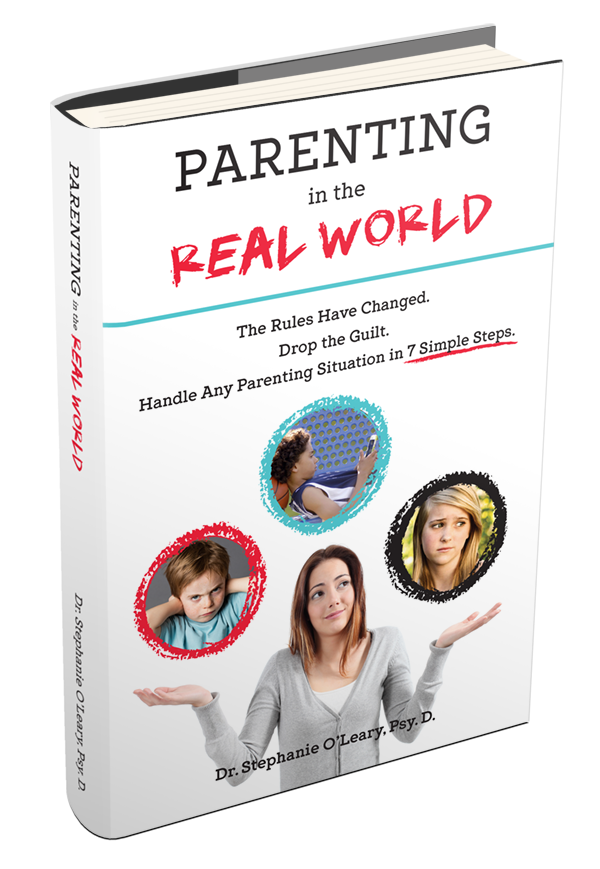

Stephanie O'Leary, Psy.D.
Sharing practical strategies that help parents rediscover joy in their children (even when someone's crying, the phone is ringing, and it smells like the house may be burning down) Archives
October 2017
Categories |
 RSS Feed